Compressed air is often contaminated by three primary impurities—dirt, water, and oil—each of which can take multiple forms:
- Dirt: Includes microorganisms, dust, solid particles, and rust.
- Water: Exists as water vapor, liquid condensate, water aerosols, and corrosive acidic condensates.
- Oil: Comprises liquid oil, oil aerosols, and hydrocarbon vapors.
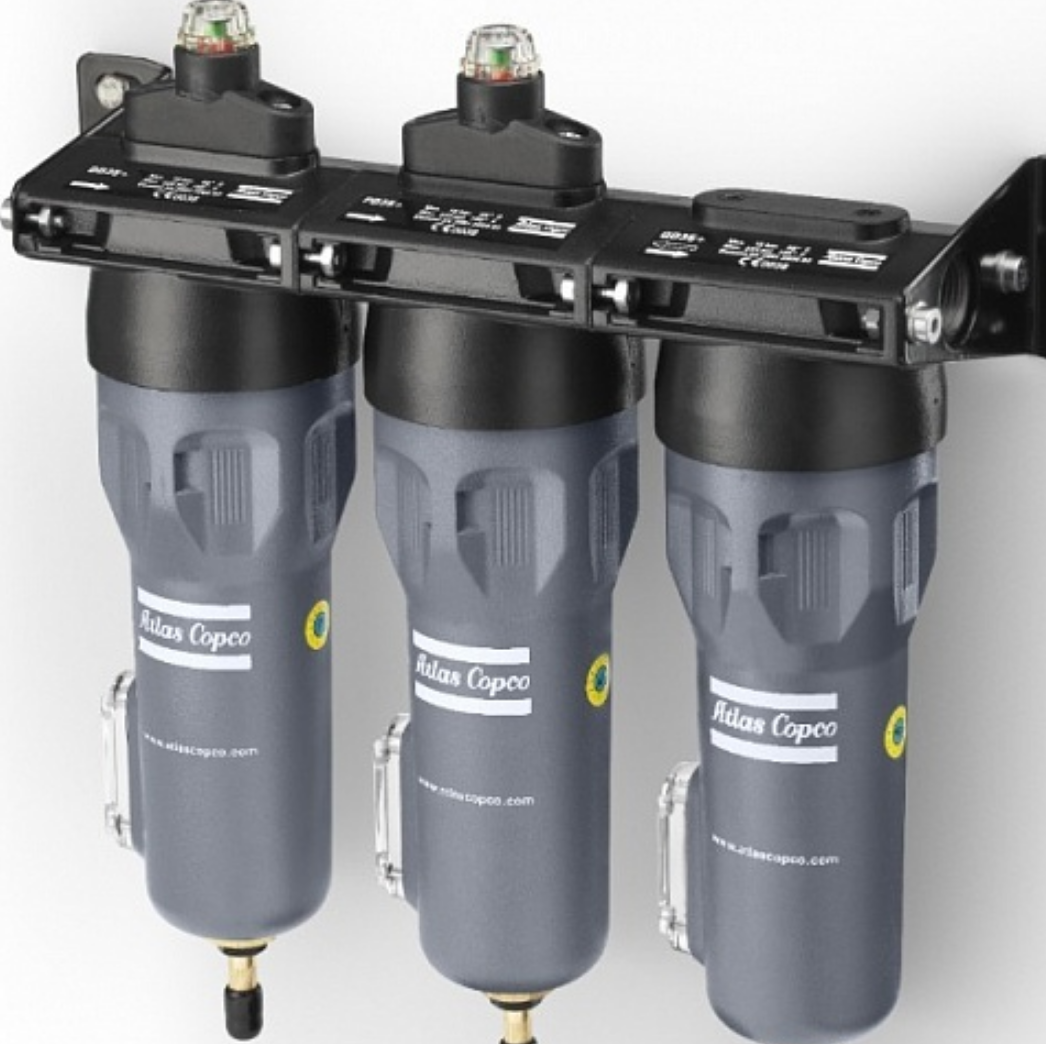
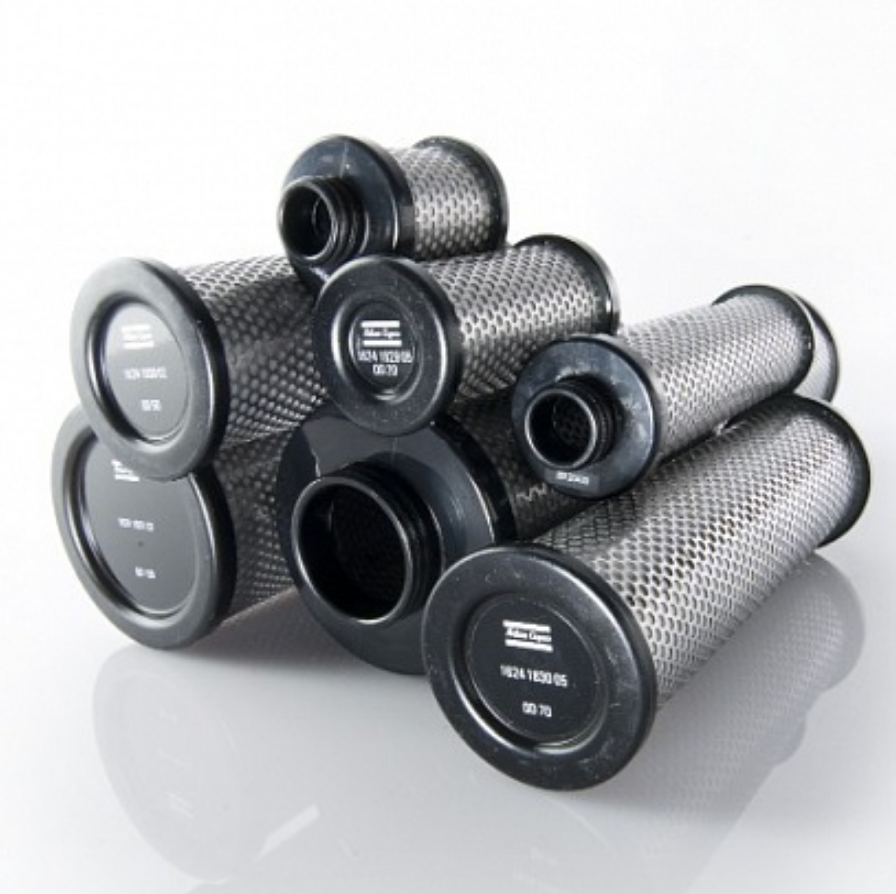
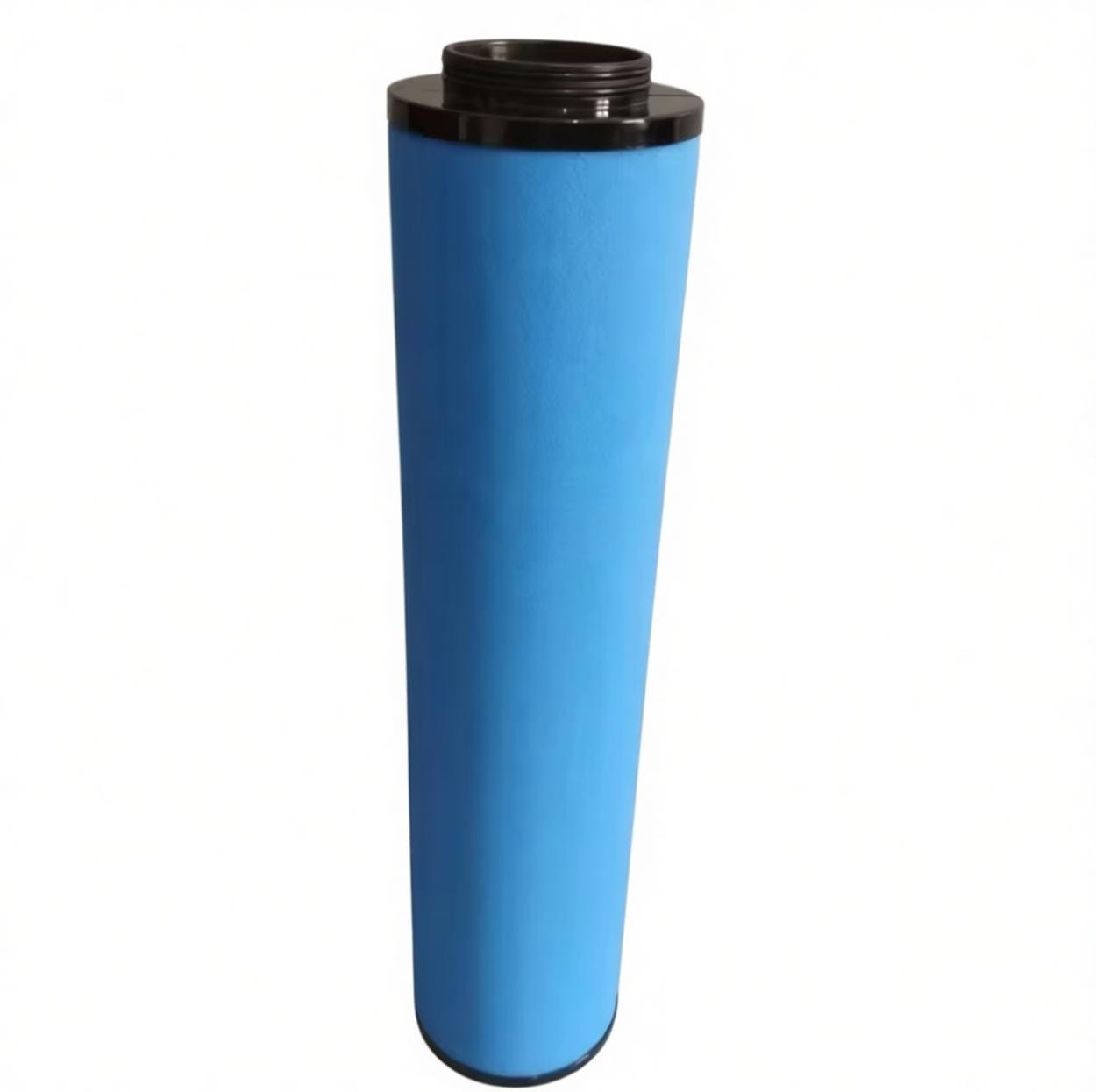
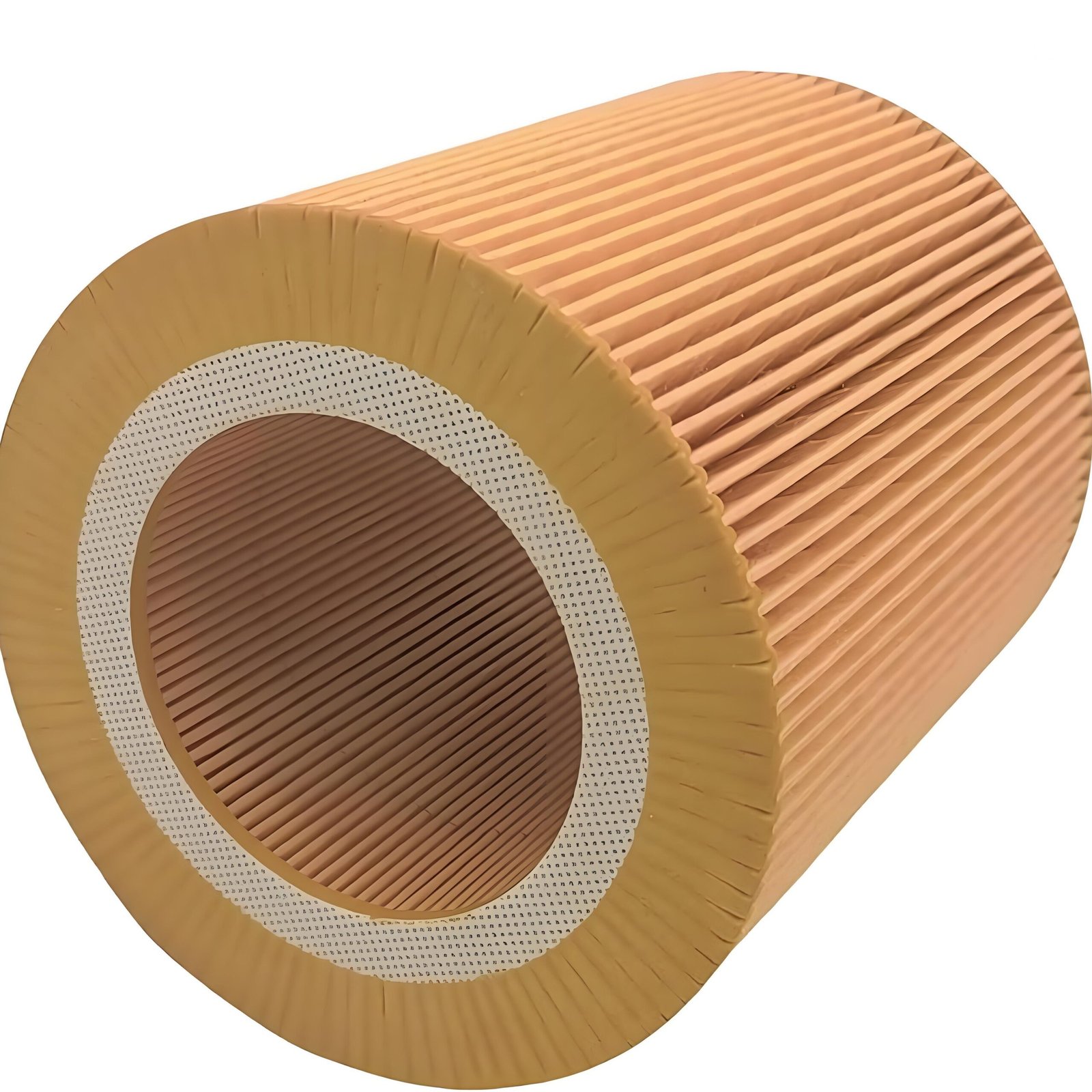
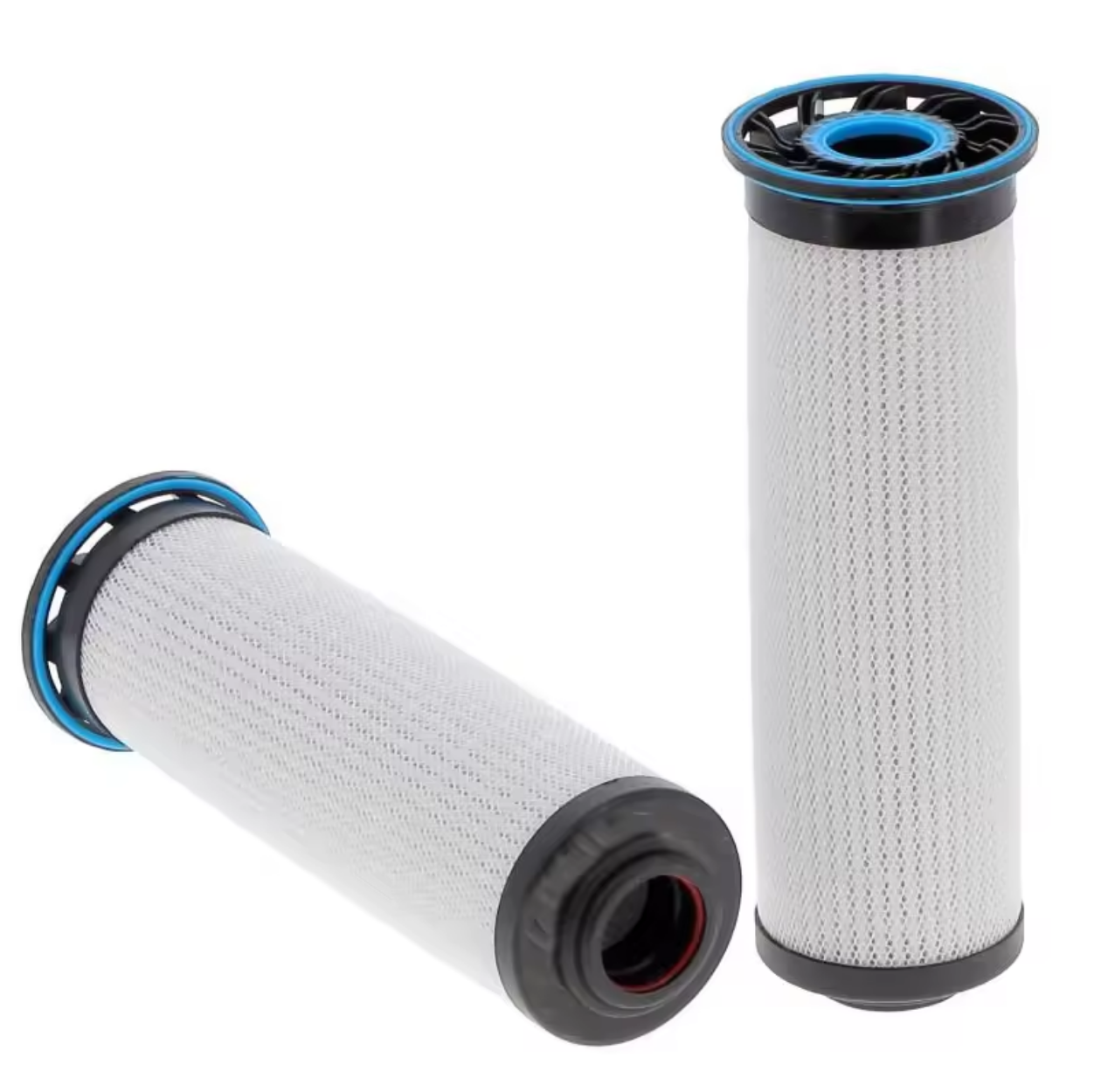
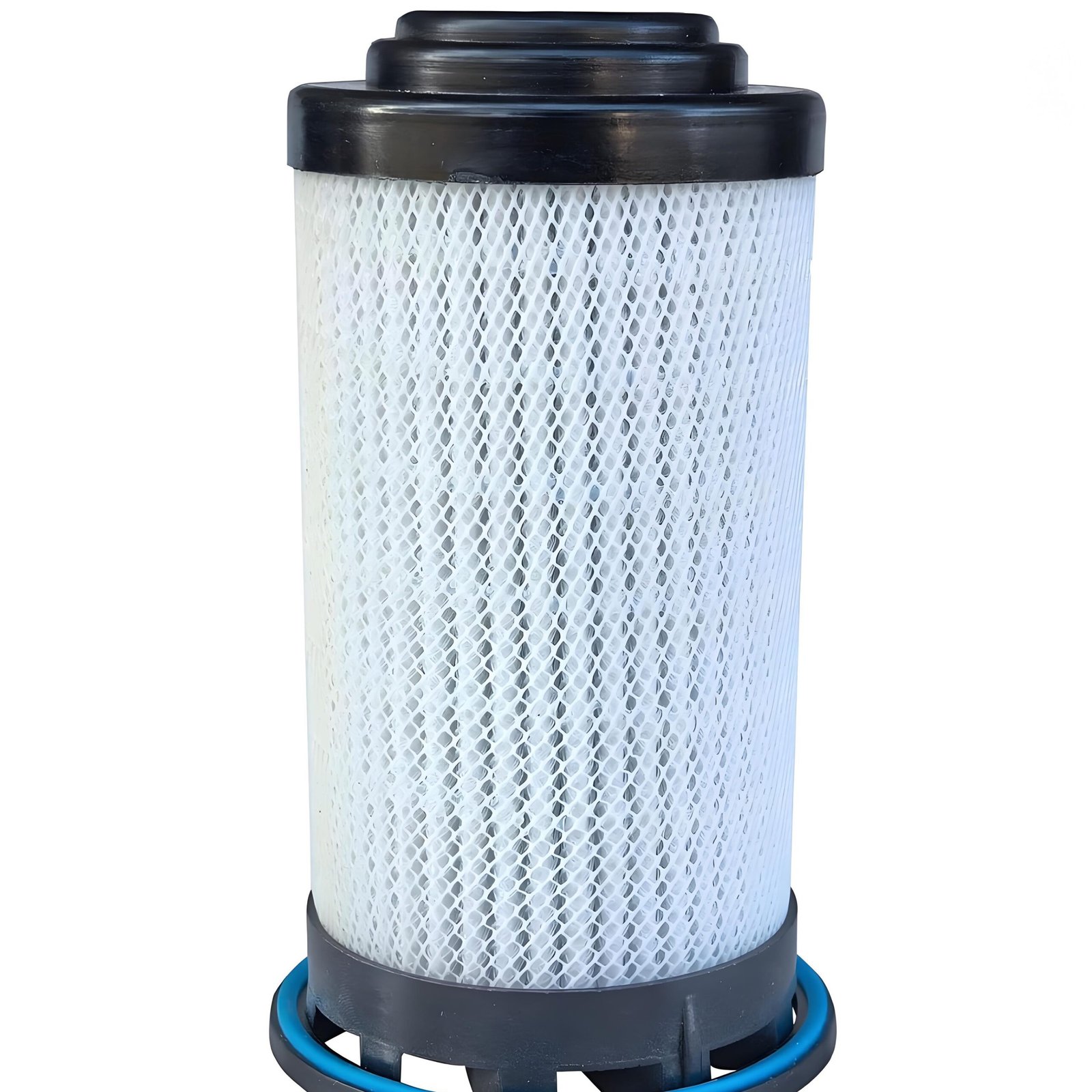
To address these contaminants, Atlas Copco provides a full range of high-performance filtration and drying solutions, backed by deep application expertise. We offer various product types and purity levels to precisely match your operational requirements. For guaranteed performance and protection, only original Atlas Copco filter elements should be used—these ensure the air quality and efficiency the system was designed to deliver.
Tailored Purity for Every Application
Different processes demand different air quality standards. The required purity class depends on the specific point of use. Atlas Copco’s filters and dryers are engineered to meet all defined air purity classes, ensuring compliance with even the most stringent industry requirements.
For detailed selection guidance, please consult your local Atlas Copco representative.
Validated to the Highest Standards
All Atlas Copco filters are certified in accordance with ISO 8573-1:2010, the most current international standard for compressed air purity. Caution is advised when using filters compliant only with older versions (e.g., ISO 8573-1:1991 or ISO 8573-1:2001), as they may deliver lower air quality.
This certification is supported by rigorous testing under ISO 12500-1:2007 (coalescing filters), ISO 12500-2:2007 (vapor filters), and ISO 12500-3:2009 (particulate filters). These standards define the test setups, procedures, and inlet conditions necessary to evaluate filter performance in removing oil aerosols, oil vapor, and solid particles.
Downstream air purity measurements for each contaminant follow the methods specified in ISO 8573-2:2007 (oil aerosol), ISO 8573-5:2001 (microorganisms and particles), and ISO 8573-4:2001 (water content). Testing has been conducted both internally and in independent laboratories, with results verified by TÜV, a globally recognized third-party certification body.